Navigating Neurosurgery: Your Guide to Treatment Options
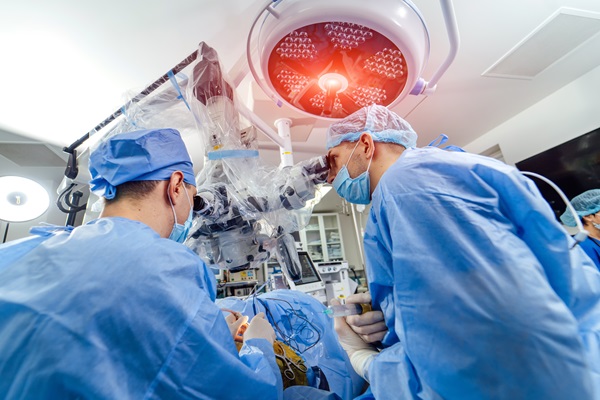
Learning that you need to undergo neurosurgery to address conditions affecting the nervous system can understandably make you feel apprehensive. However, our team is here to guide you through every step of the process. Take a look at some common treatment options that our neurosurgeon may consider for your condition.
A Quick Overview of Neurosurgery Treatments
Brain surgery
Brain surgery is for those who need to repair or address aneurysms, blood clots, tumor removals, hemorrhaging (bleeding in the brain), or inserting a shunt. It can also address epilepsy. This invasive surgical procedure targets areas in the brain, attributing to the symptoms the patient has been experiencing. In some cases, neurosurgery can eliminate or remedy the root of the issue, but in others, it may alleviate it.
Minimally invasive procedures
When traditional methods fail to yield adequate results for chronic pain, the doctor may recommend neurosurgery. Neurosurgery does not automatically mean the procedure will be invasive. In fact, there are multiple minimally invasive options that many have found to relieve their pain, such as epidurals.
Furthermore, there are also minimally invasive options to remove tumors through other areas of the body, such as endoscopic surgery, endonasal surgery (through the nose), transorbital surgery (through the eye socket), keyhole craniotomy, and laser ablation. Moreover, minimally invasive neurosurgery procedures will cut down recovery times, as well as common risks associated with traditional or open surgeries.
Peripheral nerve surgery
Peripheral neurosurgery treats conditions affecting the peripheral nervous system, which comprises the nerves outside the spine and brain. Therefore, conditions affecting the nerves in the face, arms, legs, fingers, toes, abdomen, or chest may require neurosurgery. These treatments may include addressing any damage caused by diabetes, trauma, surgery complications, or even chronic pain.
Peripheral nerve surgery can include:
- Carpal tunnel release: Involves dividing the transverse carpal ligament to make more room for the median nerve, relieving stress and pain in the carpal tunnel
- Ulnar nerve release: Involves cutting the tissue over the ulnar nerve to relieve pressure and allow more mobility in the arm and elbow
- Vagus nerve stimulation: Involves implanting a battery-operated device into the body to deliver electrical impulses to the brain to address the symptoms of specific conditions
Spinal surgery
Spinal surgery can fall under the umbrella of minimally invasive or invasive due to its ability to address a variety of conditions. The most common types of spinal neurosurgery include stereotactic spine radiosurgery, diskectomy, laminectomy, spinal fusion, vertebroplasty and kyphoplasty, and spine stabilization and reconstruction.
These surgeries can address conditions resulting from pressure on the spinal column or muscles, paralysis, herniated discs, or trauma to the spine causing tightness or abnormal mobility.
Schedule a consultation with a Palm Harbor area neurosurgeon
Though commonly thought of as brain surgery, neurosurgery encompasses treatments that address the entire nervous system. Problems with the nervous system can cause mobility issues, pain, and the impairment of the body's other systems. If you have been having issues with any condition connected with your nervous system and live close to the Palm Harbor area, contact our office to schedule a consultation with our neurosurgeon.
Request an appointment here: https://www.brainandspineni.com or call Brain and Spine Neuroscience Institute at (813) 751-2029 for an appointment in our Palm Harbor office.
Check out what others are saying about our services on Yelp: Neurosurgery in Palm Harbor, FL.
Related Posts
Brain surgery is a complex and delicate procedure. It requires strict aftercare to ensure optimal recovery and few complications. Following the advice of your brain surgeon can help aid your healing process and make your long-term treatment a success. Here are some general tips from our doctors to help patients and their caregivers through this…
Patients who hear that they may need spinal cord surgery often feel concerned about risks, recovery, and results. While these procedures can be complex, advances in imaging, monitoring, and technique now support safer procedures and better health outcomes. To put your mind at ease before the procedure, it can help to learn the answers to…
After herniated disc surgery, proper follow-up care guides healing and reduces setbacks. Clear instructions help protect the spine, lower inflammation, and support the return to daily activities. Because herniated disc surgery addresses compressed nerves and damaged disc tissue, the recovery plan focuses on protecting the surgical area while rebuilding strength. Consistent communication with the care…
A cerebral hemorrhage occurs when a blood vessel ruptures within the brain, leading to bleeding that damages surrounding tissue. This medical emergency is a form of stroke that requires immediate attention to prevent severe complications or long-term neurological effects. By understanding the causes and risk factors for cerebral hemorrhage, you can identify if you or…