Spinal Surgery for Scoliosis and Degenerative Disorders
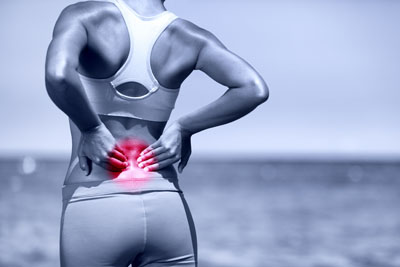
You may think of scoliosis as a childhood disorder, but both children and adults may need spinal surgery sometime. In adults, it happens when there is an abnormal spinal curve to the side. This is 10 degrees or more. Keep reading to learn more about getting spinal surgery to help treat scoliosis.
Diagnosing a degenerative disorder
A doctor will give the patient a clinical examination. This will include a review of the patient’s medical and family history. The patient will have a physical exam that includes a posture check. One of the more common types of diagnostic methods includes imaging tests.
An X-ray is a common type of imaging test. The patient will have X-rays done of the pelvis, hips and spine. That means the patient will be standing during this test. To look at the entire curve, the doctor may take several X-rays. That might include lateral and side-bending ones. Previous X-rays may be used to compare.
If the patient experiences weakness, an altered sensation or leg pain, an MRI may also be done. These are all signs of neurological dysfunction. That means that the nerves or spinal cord may be compressed. Patients who cannot receive an MRI may need a CT scan instead.
Spinal surgery for degenerative disorders
There are many reasons why a patient may have spinal surgery. One of the goals of surgery is to relieve pressure on the nerve roots or spinal cord. That can stop the condition from worsening. For example, it can prevent the curve from growing. Spinal surgery can also reduce the deformity.
For severe scoliosis, which is a curve larger than 90 degrees, it can improve breathing. It can restore the alignment of the spine while stabilizing the back. During surgery, instruments such as screws, cages or rods will be placed. This type of surgery is performed on several levels of the vertebra.
Now, more minimally invasive techniques are being used. That can accomplish the goals and allow the patient to recover faster. It can also reduce complications. The patient’s needs will determine the type of surgery performed. The comfort level of the surgeon will also play a role. That will help maximize how fast the patient is able to recover.
Improving the alignment of the spine
One of the goals of the surgery is to reduce the misalignment and curve of the spine. There are several techniques that might be used. For example, sometimes the discs between the vertebra may need to be removed. Then spacers can be inserted to correct the curve. If the curves are not flexible, then some bone may need to be removed, which is called osteotomies.
Choose spinal surgery for degenerative disorders
You will want to choose a surgeon who has the right type of training. It is good to pick an experienced surgeon to give you a better chance of a positive outcome. That can help you live a more pain-free life. Getting a consultation appointment can help you to choose the right one.
Get more information about Brain and Spine Neuroscience Institute in Palm Harbor at https://www.brainandspineni.com.
Check out what others are saying about our services on Google: Read our Google Reviews.
Related Posts
Spinal cord tumor symptoms often develop gradually, making early recognition important for timely diagnosis and treatment. Although many cases of back or neck pain have unrelated causes, people should never ignore persistent neurological symptoms. Our neurosurgeon can carefully evaluate whether your symptoms stem from a tumor or another condition that is affecting the spinal cord…
Aftercare for herniated disc surgery can vary from patient to patient, depending on the procedure, incision, pain level, and patient participation. While rest is crucial for recovery, there are also methods and techniques a patient can complete to enhance and even speed up the recovery process. By monitoring the status of the incision site, completing…
Neurostimulation introduces a highly advanced option for those living with chronic pain or debilitating neurological symptoms that resist standard management. This innovative approach relies on gentle, controlled electrical impulses to alter the way nerves transmit distress signals to the brain. By shifting the focus toward targeted neural pathways, this method helps restore comfort and mobility…
A cerebral hemorrhage is a serious medical crisis that requires immediate medical attention. This condition involves a ruptured blood vessel that leaks into the brain. Recognizing the common signs and symptoms can make a major difference in how fast you or a loved one gets the care you need to recover from this health event.The…