When To Visit a Neurosurgeon for Scoliosis Treatment
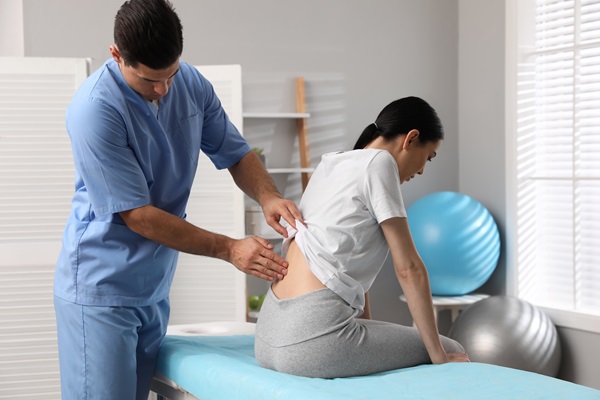
Scoliosis, a condition characterized by an abnormal curvature of the spine, can be a source of discomfort and concern for many people. While mild cases can be managed with conservative methods, there are cases when a neurosurgeon's training and experience become essential for effective scoliosis treatment and recovery. Scoliosis can impact people of all ages, from adolescents to adults, highlighting the need for a comprehensive approach that considers this condition's physical and emotional characteristics. Researchers and technology are constantly advancing, offering new innovative strategies for improving outcomes and the quality of life for those with scoliosis.
When to go to a neurosurgeon for scoliosis treatment
The severity of curvature
The degree of curvature in scoliosis plays a significant role in determining the need for neurosurgical intervention. Mild to moderate curves, often measured between 10 to 40 degrees, can be managed through non-surgical methods such as physical therapy, braces, and exercise. However, a neurosurgeon should evaluate the patient if the curvature progresses beyond 40 degrees. Severe curvature can lead to disfigurement, pain, and potential health complications, warranting the training and expertise of a spinal specialist to determine the appropriate course of scoliosis treatment.
How the condition is progressing
It is important to get regular monitoring of scoliosis, particularly during adolescents' growth spurts. If the curvature advances rapidly, it could indicate an increased risk of the condition worsening over time. In these cases, a neurosurgeon can evaluate and determine if the patient needs surgical intervention. Timely treatment can help prevent long-term complications and improve the patient's quality of life.
Pain and discomfort
Persistent pain and discomfort are common symptoms associated with scoliosis, particularly as the curvature increases. While patients can manage mild pain with medication, severe and debilitating pain may require the attention of a neurosurgeon. This medical specialist can identify whether the pain is directly related to the spinal curvature or if other underlying factors contribute to the patient's discomfort. They can recommend appropriate treatment options, including surgical correction to alleviate the pain.
Breathing and cardiovascular issues
In some cases of severe scoliosis, the abnormal curvature of the spine can affect the function of the lungs and heart. As the ribcage becomes distorted, it can limit lung capacity and hinder cardiovascular function. This can lead to breathing difficulties, reduced endurance, and even cardiac problems. If scoliosis affects or is beginning to affect these vital bodily functions, a neurosurgeon's evaluation may be necessary to alleviate the pressure on the respiratory and cardiovascular systems.
Failure of conservative treatments
Patients can often effectively manage their scoliosis through conservative treatments such as physical therapy, bracing, and exercise. However, if these methods fail to provide relief or prevent the progression of the curvature, it may be time to consider surgical intervention. A neurosurgeon can assess the patient's response to minimally invasive treatments and determine whether a surgical correction is the next best step for achieving optimal outcomes and preventing further discomfort.
Start your treatment journey today
If you or someone you love has been struggling with scoliosis and need more intensive treatment, it may be time to consult a neurosurgeon. At Brain and Spine Neuroscience Institute, we provide a scoliosis treatment strategy that fits your needs so you can begin to enjoy your life again. Make an appointment at our Palm Harbor office today.
Request an appointment here: https://www.brainandspineni.com or call Brain and Spine Neuroscience Institute at (813) 751-2029 for an appointment in our Palm Harbor office.
Check out what others are saying about our services on Yelp: Scoliosis Treatment in Palm Harbor, FL.
Related Posts
Brain surgery is a complex and delicate procedure. It requires strict aftercare to ensure optimal recovery and few complications. Following the advice of your brain surgeon can help aid your healing process and make your long-term treatment a success. Here are some general tips from our doctors to help patients and their caregivers through this…
Patients who hear that they may need spinal cord surgery often feel concerned about risks, recovery, and results. While these procedures can be complex, advances in imaging, monitoring, and technique now support safer procedures and better health outcomes. To put your mind at ease before the procedure, it can help to learn the answers to…
After herniated disc surgery, proper follow-up care guides healing and reduces setbacks. Clear instructions help protect the spine, lower inflammation, and support the return to daily activities. Because herniated disc surgery addresses compressed nerves and damaged disc tissue, the recovery plan focuses on protecting the surgical area while rebuilding strength. Consistent communication with the care…
A cerebral hemorrhage occurs when a blood vessel ruptures within the brain, leading to bleeding that damages surrounding tissue. This medical emergency is a form of stroke that requires immediate attention to prevent severe complications or long-term neurological effects. By understanding the causes and risk factors for cerebral hemorrhage, you can identify if you or…